
Review of 42Seoul Rapisin
Review of the 1st Session of the 10th Cohort of Seoul Rapisin
Introduction
While preparing for my job search, around the middle of this year as SSAFY was nearing its conclusion, I was concerned that my preparation period might be extended. So, while submitting applications to companies, I also took the time to research various bootcamps and training programs.
As a result, I decided to apply to 42Seoul, as I believed it was the program that best suited me.
There were several reasons for this, but among them, the emphasis on self-directed learning and time flexibility compared to other bootcamps, as well as the focus on relatively low-level programming languages, were particularly appealing to me.
The Rapishin Program
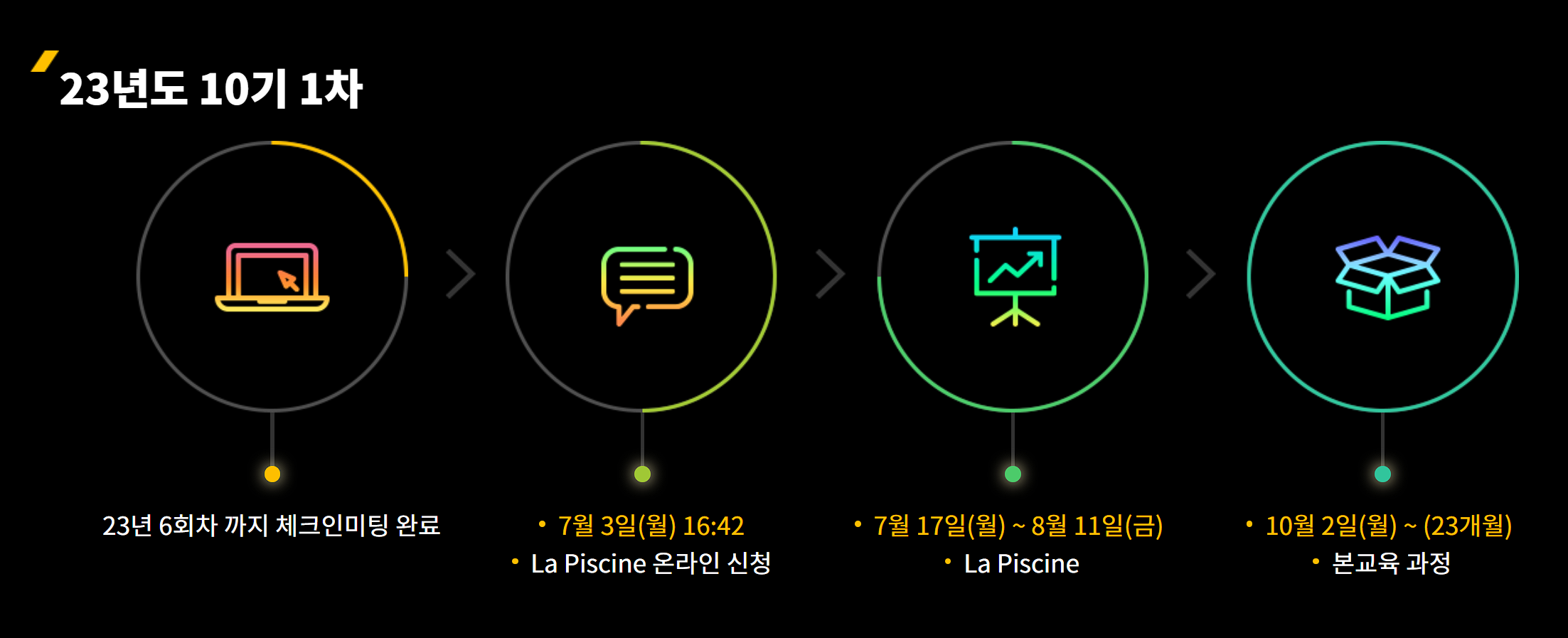 이미지를 불러올 수 없습니다.
After successfully checking in and applying for Rapishin, I received final acceptance offers from several companies while waiting for the Rapishin program to begin. I originally planned to withdraw from the program, but after hearing stories from 42 cadets currently working in the field and considering the 42 curriculum, I judged that it was entirely possible to juggle both. So, I dedicated myself fully to the program in the beginning and then continued it alongside my job.
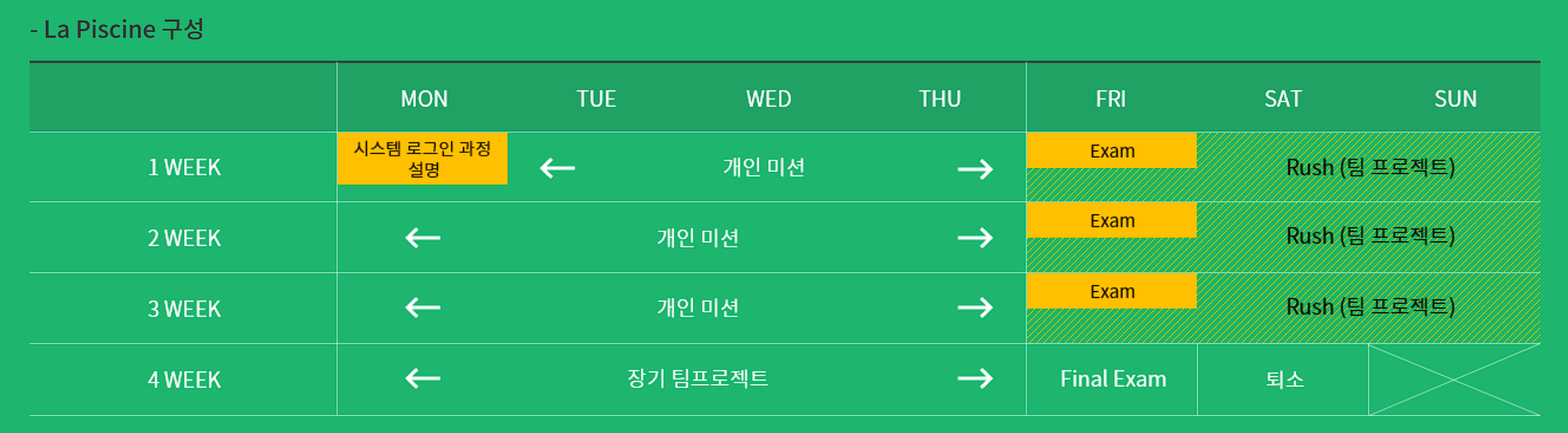 이미지를 불러올 수 없습니다.
As those familiar with the 42 program likely know, there is a pre-course called "Rapicin" that must be completed before admission and the main program. This course is quite grueling...
If you’re a non-major with no prior background, keeping up might be a struggle, but if you’re a non-major with some programming knowledge, I believe you can achieve the desired results if you work hard. As for majors, I believe admission to the main program wouldn’t have been difficult unless they were unable to focus on the course for other reasons or were unfairly treated.
This is just my personal opinion, but since the education provided at 42 is quite similar to a university curriculum, I think it might actually be better suited for non-majors. For majors who have already completed a solid education in the field at university, the benefits offered by 42—excluding the financial aid and other support systems—seemed relatively lacking compared to other bootcamps.
The reason I considered joining the program, aside from the financial aid, was that I believed it offered a solid curriculum to fill the gaps in my lack of specialized knowledge. Since that fundamental premise didn’t change even after I secured a job, I was able to complete the Rapishin program.
(Naturally, you can’t receive financial aid after getting a job...)
Results
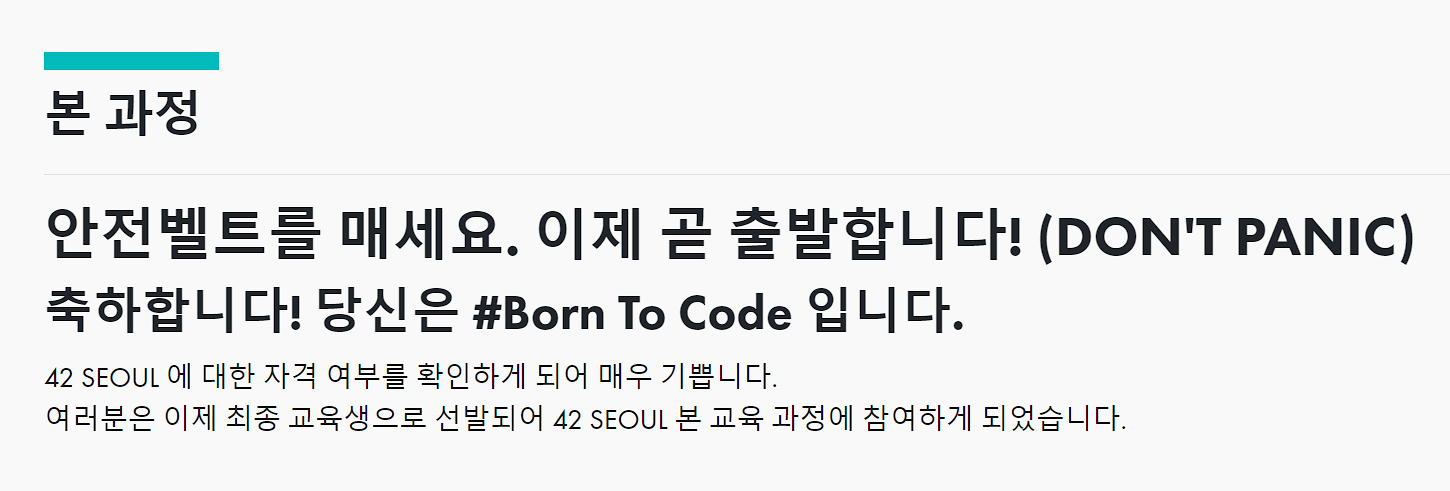 이미지를 불러올 수 없습니다.
Fortunately, I achieved a good result and was accepted into the 10th cohort of 42Seoul. Since the program uses a tech stack similar to my current role at work, I’m looking forward to creating a positive feedback loop that benefits both areas.
Q & A
Let me answer some common questions about the program:
1. Can a non-computer science major with no prior experience get accepted?
While it might have been possible in the early cohorts, re-applications are now allowed, and with so much information available today, it’s nearly impossible.
2. Who would you recommend this program to?
Undergraduate students who still have plenty of time left in their degree programs, and non-majors who aren’t focused on immediate employment but want to build a solid foundation over a longer period.
3. What should you know before joining?
The more you know—such as basic C concepts and pointers (which can be hard to grasp at first)—the better. Everyone emphasizes learning how to use the Shell, but I’d also add the advice to familiarize yourself with Git.
4. What would you definitely recommend trying during the program?
Personally, the members of my first Rush team were wonderful people, and having completed the program with them, I’d say that while interacting with others isn’t strictly necessary, if the opportunity arises, don’t miss out on connecting with them. For developers, communication skills are just as important as coding!
댓글 작성
게시글에 대한 의견을 남겨 주세요.